Pulse24 Original
Tom Holland Doesn't Need To Escape Spider-Man Anymore
July 22, 2026
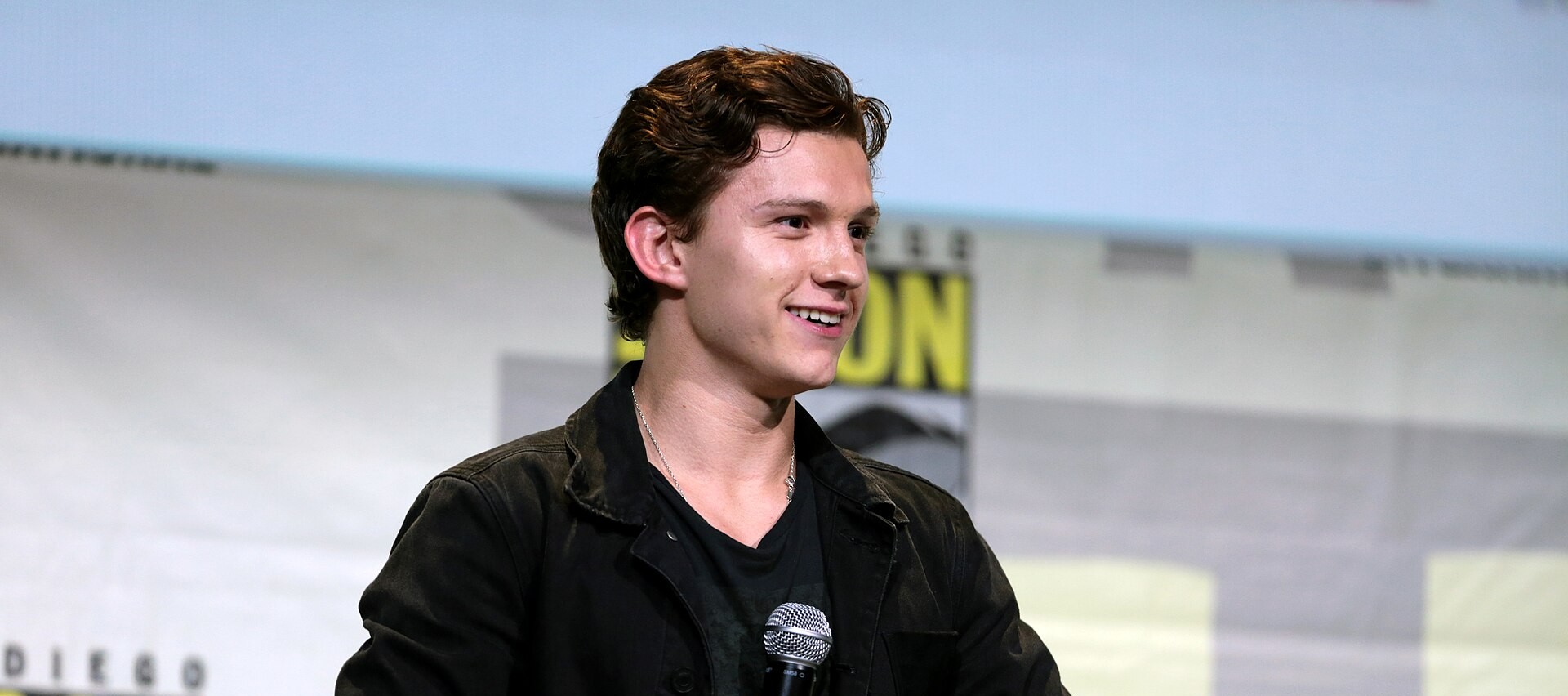
Between Nolan's The Odyssey and a darker Spider-Man, Holland is quietly building a second career alongside the one that made him famous.
For years, every conversation about Tom Holland eventually circled back to Spider-Man. That's changing this summer, not because he's leaving Marvel, but because he's proving he doesn't have to.
Why Nolan casting Holland actually matters
On July 17, Christopher Nolan's The Odyssey opened to one of the biggest global weekends of Nolan's career outside the Dark Knight trilogy. Holland plays Telemachus, son of Matt Damon's Odysseus, in a cast stacked with Anne Hathaway, Zendaya, Robert Pattinson, and Charlize Theron.
The opening weekend matters less than what the casting says. Nolan doesn't build ensembles around famous faces, he builds them around actors he trusts to carry emotional weight inside a demanding production. Holland has said the shoot rattled him early on, that Nolan kept calling cut on his first day and he assumed he was bombing the role entirely. That kind of doubt from an actor already carrying a franchise worth billions says something about how seriously he's taking this pivot.
Spider-Man isn't the safe choice anymore
Two weeks after The Odyssey, on July 31, Spider-Man: Brand New Day arrives, tracking toward one of the biggest domestic openings of 2026. Peter Parker has spent four years erased from the memories of everyone he loves, fighting crime alone in a city that doesn't know his name, and the film leans into a physical transformation that threatens to consume him.
Director Destin Daniel Cretton and returning writers Chris McKenna and Erik Sommers built something closer to a character study wearing a Spider-Man suit than a straightforward sequel. Holland isn't discarding the franchise that made him famous. He's using his standing inside it to push the character somewhere darker than the earlier trilogy dared to go.
Cherry looks different in hindsight
Back in 2021, Holland took on Cherry with the Russo brothers, playing an Army medic who returns from Iraq with PTSD and slides into opioid addiction and bank robbery. It was a stark departure, physically transformed, tonally bleak, nothing like the wisecracking Spider-Man persona audiences had settled into.
Cherry wasn't a critical success. But careers aren't always built on successful films, sometimes they're built on ambitious choices, and this one told audiences something that no box office number could: Holland wanted range, not just recognition, years before he had a Nolan film to prove it.
In between, there was The Crowded Room on Apple TV+, a dissociative-identity drama that asked him to carry ten episodes largely alone, and Uncharted, a straightforward studio adventure that showed he could still open a non-Marvel blockbuster on his own name. Together they read as a deliberate scattering of bets across genres, not an actor waiting around for his next Marvel paycheck.
The next decision matters most
Hollywood has seen this problem before. Actors who become synonymous with a single role often spend years convincing audiences they can be someone else, Daniel Radcliffe after Harry Potter, Robert Pattinson and Kristen Stewart after Twilight. Holland's approach has looked different. Instead of walking away from Spider-Man to prove a point, he's quietly built a second career running alongside it.
That's the real story of this summer, not the box office totals, but the fact that Holland, still only 30, is doing the thing that separates a franchise face from an actual career: building a body of work that no longer depends on any single role to justify it. Box office can make a star. The choices that follow decide whether that star still matters twenty years later, the same lesson Tom Cruise spent four decades proving one movie at a time. This summer suggests Tom Holland already understands the difference.
How we read the data
Curious how we get from raw data to a take like this? Our Trader's Toolkit walks through the tools we lean on.
Explore the Toolkit