Pulse24 Original
The Equalizer Franchise Opened Within $2 Million of Itself Three Times. Denzel Washington Is the Reason.
July 30, 2026
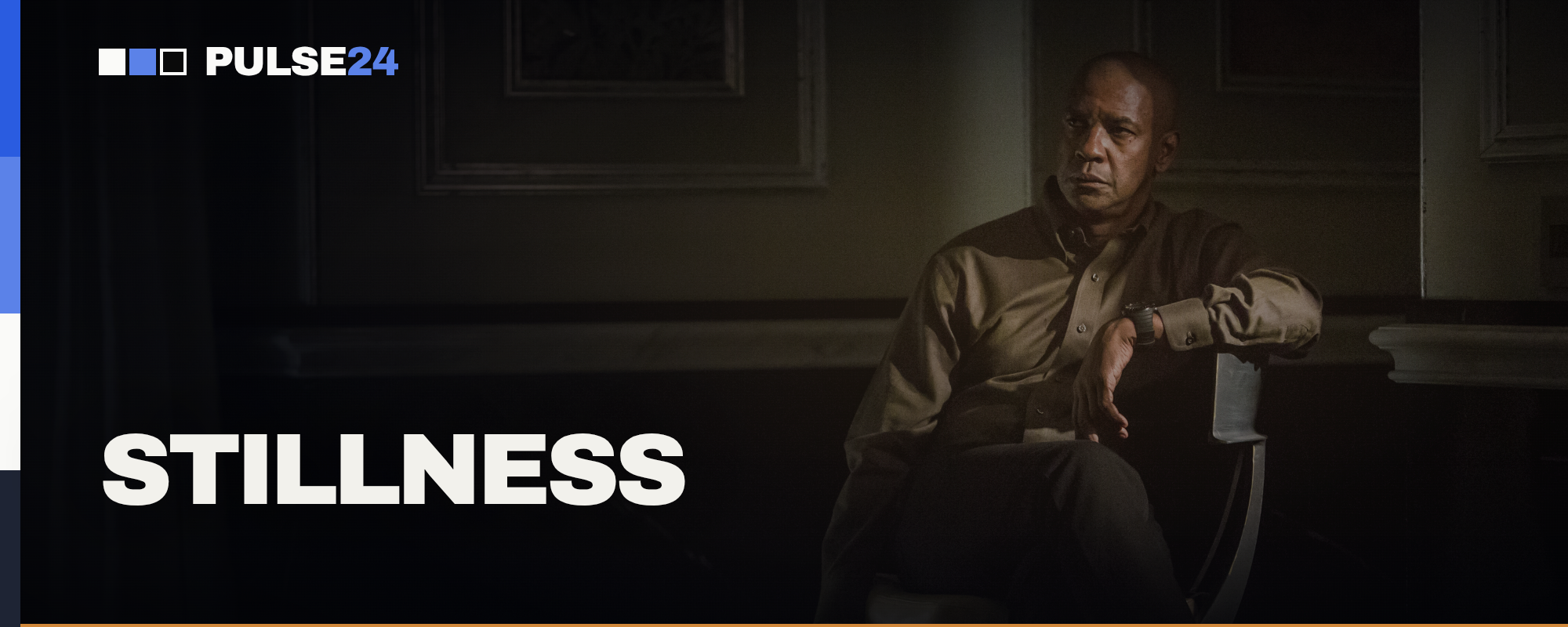
The Equalizer trilogy ran one of action cinema's oldest tropes, a retired killer pulled back into violence, and pulled in nearly identical audiences three times over a decade. Denzel Washington's stillness and moral authority are why the pattern never felt tired, and why Sony is already building a fourth and fifth chapter.
Three movies, three opening weekends, and the domestic numbers land within two million dollars of each other: $34.1 million for The Equalizer in 2014, $36 million for The Equalizer 2 in 2018, $34.6 million for The Equalizer 3 in 2023. Different plots, different countries, nearly a decade apart, and audiences showed up in almost exactly the same numbers every time. That kind of consistency doesn't happen by accident, and it isn't really about the story. It's about the man standing in the middle of it.
Robert McCall, the character Denzel Washington built across those three films, is one of the oldest ideas in action cinema: a retired operative pulled back into violence because someone he cares about is in danger. The trope goes back decades and gets recycled every few years under a new title. What The Equalizer proved, three times over, is that the trope isn't the reason people buy a ticket. Washington is.
An old premise borrowed from television
The franchise takes its name and its basic idea from a CBS series that ran from 1985 to 1989, starring Edward Woodward as a retired intelligence officer offering his services to people the system had failed. Antoine Fuqua's 2014 film adaptation, written by Richard Wenk, kept the premise and gave it a new engine: McCall as a widower working a quiet shift at a Boston hardware store, ex-Defense Intelligence Agency, presumed dead by the people he used to work for, drawn back into violence to protect a teenage girl caught in a trafficking ring. None of that is a new shape. What made it land was how little Washington did with it.
The performance is the twist
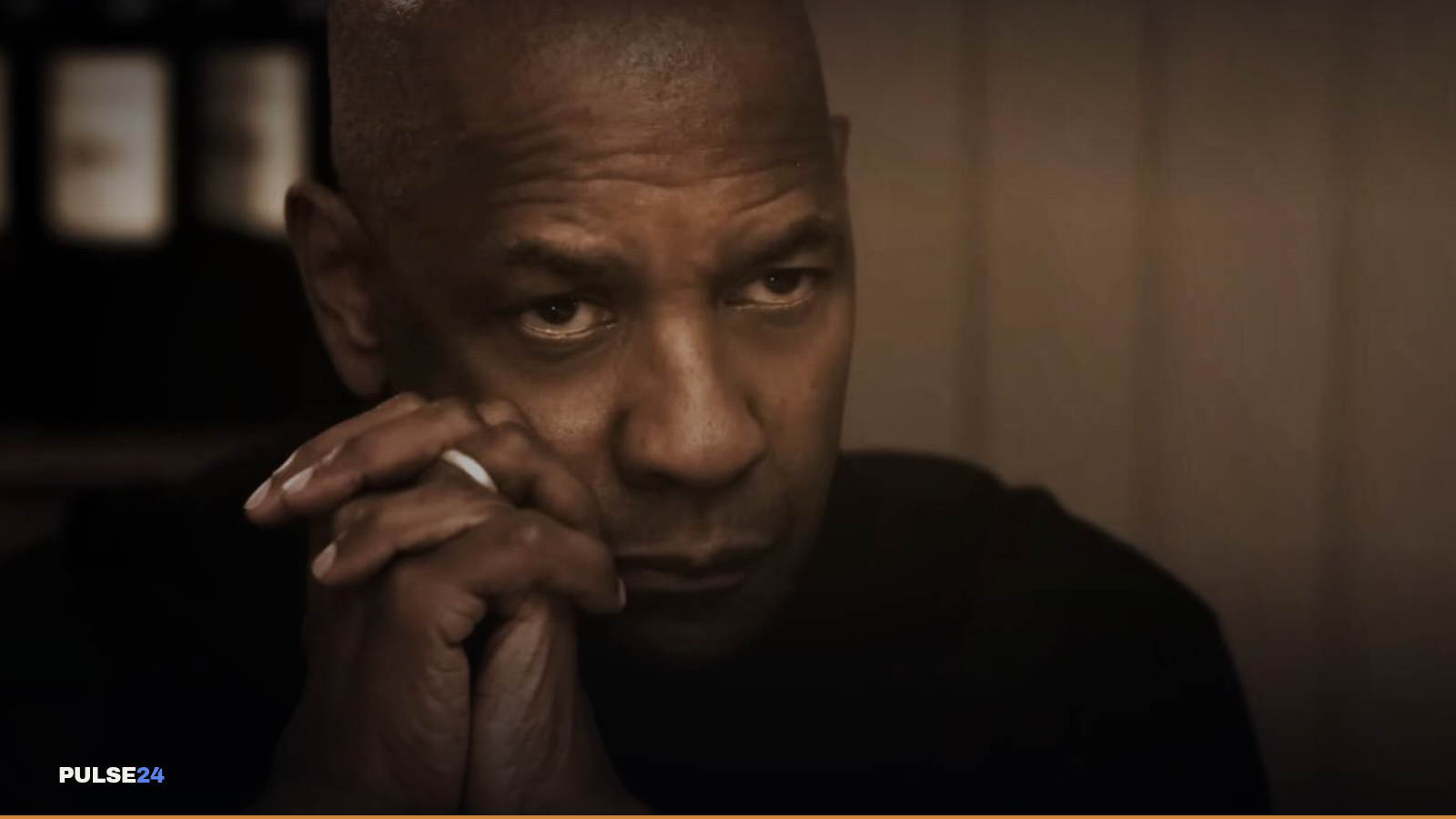
Washington plays McCall almost entirely through stillness. He counts silently before he moves. He times his violence with a stopwatch. He talks to strangers in diners and hardware stores with the same unhurried patience he brings to a fight, so that by the time the fight starts, the audience already trusts him completely. Critics reaching for a comparison kept landing on the same idea: this is what it looks like when an actor with two Academy Awards, for 1989's Glory and 2001's Training Day, decides to spend his gravitas on a genre picture instead of hoarding it for prestige drama. The trope of the retired killer who still has it doesn't usually come with that kind of moral weight attached. McCall's calm reads as earned rather than performed, because the man playing him has spent forty years building the kind of screen authority that can't be faked.
That authority is also why The Equalizer 2 mattered structurally, not just commercially. Washington had turned down sequels for most of his career, including a Safe House follow-up and interest in a second Inside Man, because none of them felt necessary to him. Asked why he said yes this time, his answer was almost dismissive in its simplicity: "This one just made sense." A 40-year-old trope needed an actor willing to protect it from feeling like a cash grab, and Washington's scarcity elsewhere is exactly what made his consent here feel like an endorsement rather than a contract obligation.
Why the third film changed the shape without breaking it
The Equalizer 3 moved the formula somewhere it hadn't been: Sicily, where a wounded McCall recovers among villagers he comes to protect from a local mob operation, with Dakota Fanning returning as a CIA analyst who first appeared as a supporting player in the 2014 film. The change of scenery did real work. It let the film slow down and sit with McCall as an aging man managing an injury, not just a weapon that never misses, and it gave the trilogy something close to a rest note before the violence returns in the back half. On a $70 million budget, the film opened globally at $68.8 million and had crossed $182.6 million worldwide within two months, numbers that tracked closely enough with the first two films that Sony had no reason to let McCall retire quietly.
The pattern audiences kept choosing anyway
Every version of this story runs the same basic risk: the third or fourth time a hero comes out of retirement to save someone, the pattern starts to feel like a formula rather than a promise. Liam Neeson's Taken franchise wore that risk openly by its third entry. The Equalizer avoided it, and the reason shows up in the box office math as much as in any review. Audiences weren't returning for a new twist on the premise. They were returning for Washington's specific version of control, the sense that violence in his hands is never chaotic, never gleeful, always the last resort of a man who would clearly rather be left alone. That's a much harder thing to manufacture than a plot twist, and it's not transferable to another actor.
Antoine Fuqua understood that going in, which is likely why he and Washington have now made five films together across 22 years, Training Day in 2001, The Magnificent Seven in 2016, and the Equalizer trilogy in between. Even Fuqua sounded unsure a fourth film would happen right after the third one wrapped in 2023, saying at the time that it was entirely Washington's call and that he personally didn't expect it to go further. There's no version of this story that survives a recast, because the story was never really about McCall's past. It was about watching one specific actor decide, on his own timeline and more than a year later, that he wasn't done.
What comes next
Washington confirmed in a late 2024 interview that a fourth and fifth Equalizer film are both in development, telling Esquire, "I told them I would do another Equalizer, and we're doing four and five... more people are happy about that, people love those daggone Equalizers." No release date or script details have been announced, and Sony hasn't confirmed a production timeline, but the direction of travel is clear: McCall is coming back again, at a point in Washington's career, now in his seventies, when most actors his age have long since handed the action genre to someone younger.
That's the real trick this franchise pulled off, and the reason it still has room to grow. Retired heroes returning to save the world is one of the oldest patterns in the genre, old enough that plenty of franchises have worn it out by their second installment. The Equalizer made a decade-long argument that the pattern was never the problem. It just needed someone whose presence made you want to watch him do the same right thing all over again.
How we read the data
Curious how we get from raw data to a take like this? Our Trader's Toolkit walks through the tools we lean on.
Explore the Toolkit